
Traditional medicine inspired drug development against central nervous system (CNS) disorders
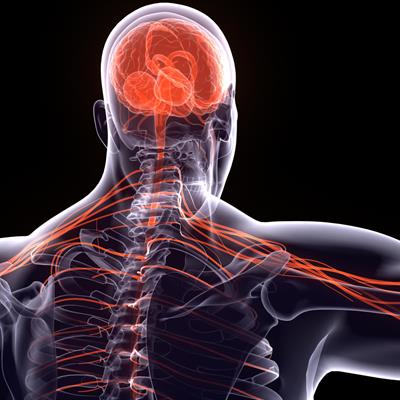
Traditional medicine (TM) serves as a vital inspiration for modern drug discovery, particularly in treating central nervous system (CNS) disorders. Conditions such as depression, anxiety, Parkinson’s, and Alzheimer’s disease impact millions globally, yet effective treatments remain scarce. Systems like African Traditional Medicine, Unani, Traditional Chinese Medicine (TCM), and Ayurveda have historically addressed CNS disorders, often using plant-based therapies with promising therapeutic potentials.
Developing TM-inspired drugs for CNS disorders includes ethnopharmacological research, phytochemical analysis, in vitro and in vivo evaluations, clinical trials, standardization, and quality control. Notable plants (e.g., Curcuma longa, Withania somnifera, Camellia sinensis, Bacopa monnieri) and compounds (e.g., Galantamine, Huperzine A) are under investigation due to their traditional use in CNS issues. Despite significant progress, challenges persist, such as standardizing herbal extracts, integrating traditional and modern medicine, protecting intellectual property, and regulatory compliance. Enhanced research, collaboration, and integration of TM with modern practices may yield new therapeutic options for CNS disorders.
Current issues with drug development inspired by traditional medicine for CNS disorders include variability in herbal extract composition, lack of standardized production practices, issues with distribution, metabolism, and absorption, insufficient toxicity data, potential interactions with conventional drugs, imprecise development standards, and obstacles in trial planning due to diverse TM approaches. Additional difficulties involve funding shortages, the necessity for interdisciplinary collaboration, manufacturing scalability, cost-effectiveness, synergistic effects, limited understanding of mechanisms, and resistance from traditional healthcare systems. This research seeks to bridge these gaps, offering insights into the ethnomedicinal and ethnopharmacological applications of TM for CNS disorders.
Research Areas:
– Ethnomedicinal Studies: Document and validate traditional practices for CNS disorders.
– Phytochemical Analysis: Identify and isolate bioactive compounds from TM plants targeting CNS disorders.
– In Vitro and In Vivo Evaluations, Mechanistic Studies, and Pharmacovigilance: Assess compound efficacy, toxicity, pharmacokinetics, elucidate molecular mechanisms, and monitor adverse effects and interactions.
– Clinical Trials: Investigate safety, efficacy, and tolerability of TM formulations in human subjects.
– Medicinal Product Development, Standardization, and Quality Control: Optimize dosage forms and delivery systems, and develop standardized extraction and manufacturing methods.
Please self-assess your manuscript using the ConPhyMP tool ( and follow the standards established in the ConPhyMP statement Front. Pharmacol. 13:953205. All the manuscripts need to fully comply with the Four Pillars of Best Practice in Ethnopharmacology (you can freely download the full version here). Importantly, please ascertain that the ethnopharmacological context is clearly described (pillar 3d) and that the material investigated is characterized in detail (pillars 2 a and b).
Article types and fees
This Research Topic accepts the following article types, unless otherwise specified in the Research Topic description:
- Clinical Trial
- Data Report
- Editorial
- General Commentary
- Hypothesis and Theory
- Methods
- Mini Review
- Opinion
- Original Research
Articles that are accepted for publication by our external editors following rigorous peer review incur a publishing fee charged to Authors, institutions, or funders.
Keywords: raditional medicine, Ethnopharmacology, Central nervous system (CNS) disorders, Drug development, Complementary and alternative medicine, Phytoconstituents
Important note: All contributions to this Research Topic must be within the scope of the section and journal to which they are submitted, as defined in their mission statements. Frontiers reserves the right to guide an out-of-scope manuscript to a more suitable section or journal at any stage of peer review.
link