‘Medicine for the People:’ Interior Health staff learn about Indigenous medicines
‘Medicine for the People:’ Interior Health staff learn about Indigenous medicines
Published 12:15 pm Wednesday, December 3, 2025
Interior Health (IH) staff in the East Kootenay were recently given the chance to discuss and learn about the incorporation of traditional Indigenous medicines, such as those used by the Ktunaxa Nation and other Indigenous peoples in the region, while receiving care within IH facilities.
“Incorporation of our traditional medicines and healing practices is essential to serve the holistic wellness of Indigenous peoples,” said Leona Starr, MSW, Indigenous Cultural Safety Practice Lead with Indigenous Partnerships.
“The knowledge of our traditional medicines goes back thousands of years and was passed down through our oral history. This is why we have unwavering belief in our medicines. Nothing should sway us or stop us from relying on our medicine.”
These information sessions are called Medicine for the People and were developed by Starr. They are currently taking place throughout the IH region.
One of their key purposes is to inform and prepare IH staff for the implementation of the new IH Access to Traditional Indigenous Healing Practices (ATIHP) policy, which is in development to update the existing Smudging Guideline.
IH said this new policy will “support Indigenous clients with an increased access to their traditional Indigenous healing practices, particularly at bedside, as part of their health care journey with IH.”
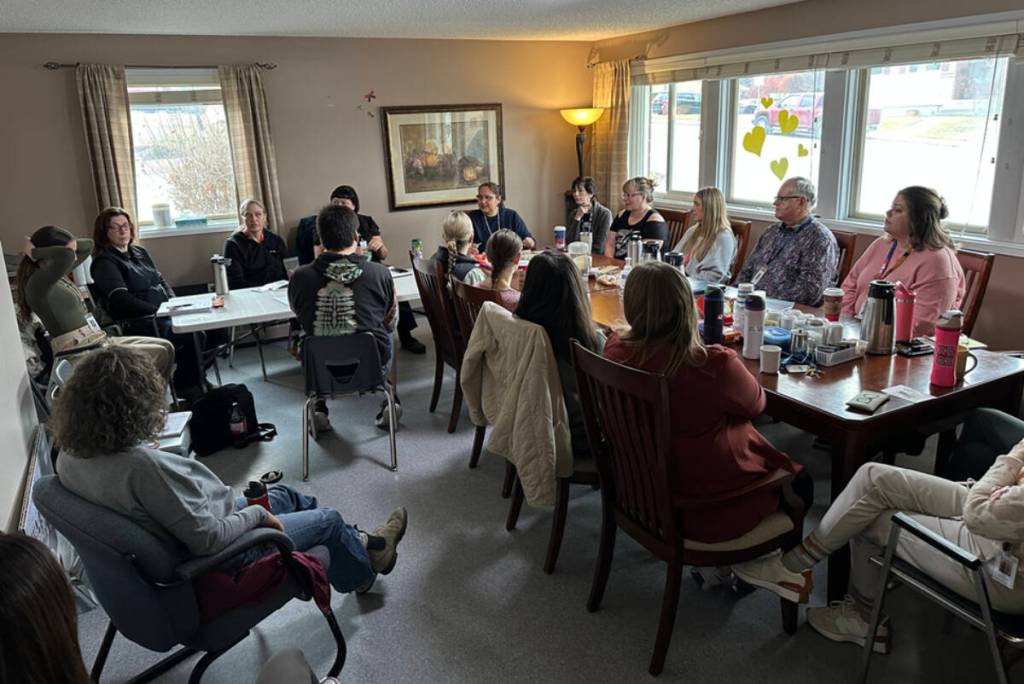
These sessions support networking and collaboration between IH staff and healthcare practitioners with members of the Host Nations. They are intended to provide a safe space for asking questions, to get a hands-on and experimental introduction to traditional medicines and to ensure IH staff feel confident and comfortable to make space for and assist Indigenous clients with accessing their traditional medicines while receiving care from IH.
The East Kootenay sessions were held in late November at the Creston Valley Hospital and at the F.W. Green Memorial Home in Cranbrook. They were conducted in collaboration with Jared Basil, Ktunaxa Cultural Framework Ambassador, and Diane Whitehead, Collaborative Health Coordinator, IH, and member of the Ktunaxa Nation. Other areas these sessions have occurred are Williams Lake, Kelowna, and Merritt with plans to hold sessions in Salmon Arm, Grand Forks, Invermere, and Lillooet.
“Integrating Indigenous medicine into modern healthcare strengthens systems of care by honoring ancestral knowledge while advancing scientific practice,” Whitehead said.
The sessions grew out of recommendations from the ATIHP Working Group and IH’s Policy department, who saw a need for staff to gain experiential learning before the new policy is introduced. Staff are not expected to lead ceremonies themselves, but to understand their significance and help ensure that space and support are available for Indigenous patients who choose to use them.
Basil said the sessions represented “another meaningful step in cultivating safe spaces for individuals who choose to incorporate traditional medicines and practices in their health and wellness journey.”
link