Chinese medicine included in reforms
HEALTHY TAIWAN:
The NHIA said its new program aims to provide more holistic care for those with chronic health conditions and would include traditional Chinese medicine
-
By Lee I-chia / Staff reporter
The National Health Insurance Administration (NHIA) is planning to include traditional Chinese medicine in the Family Physician Program (大家醫計畫) next year to provide better chronic care to patients, especially as the population is aging, NHIA Director-General Shih Chung-liang (石崇良) said yesterday.
Shih made the remarks in a speech about National Health Insurance (NHI) reform at a traditional Chinese medicine healthcare forum, held by the Consumers’ Foundation and the National Union of Chinese Medical Doctors’ Association.
People aged 65 and older accounted for 18.4 percent of the population last year, and the nation is estimated to become a “super-aged society” next year, with more than 20 percent of the population being aged 65 and older, Shih said.
Photo: CNA
“The percentage would continue to increase and is estimated to reach more than 30 percent by 2039 … but the working-age population of adults aged 19 to 64 reached its peak in 2015 and is continuously sliding,” he said, adding that it affects the nation’s development and the NHI’s sustainability, so policy changes are needed.
While the aging population is a global issue, it is severe in Taiwan, as the population is aging faster than many developed countries, he said.
People with disabilities also account for about 4 percent of the population, which is estimated to increase to 5.3 percent by 2031, he added.
NHI expenditure is growing year by year, and in the past decade, the total expenditure and growth rate of elderly people “without major illness or injury” exceed those of elderly people “with major illness or injury,” Shih said, citing the main reason as chronic illnesses.
“About 80 percent of elderly people have at least one type of chronic illness,” he said, adding that most people with chronic disease need medication, and NHI-covered medication account for about 10 percent of the central government’s general budget every year.
While about 880,000 cancer patients used about one-fifth of the NHI budget — more than NT$130 billion (US$4.04 billion) — for treatment each year, about 5 million patients are being treated for diseases under the “three highs” (high blood pressure, high blood lipids or high blood sugar), which add up to about one-fifth of the NHI’s total budget, or about NT$167 billion per year, Shih said.
“So if we want to stay healthy, two crucial factors are cancer prevention and treatment … and the prevention and treatment for the three highs,” he said.
Echoing President William Lai’s (賴清德) “Healthy Taiwan” initiative, the NHI reform plan has six main goals, including strengthening chronic care, he said, adding that chronic care should not be limited to treatment, but also include lifestyle management to prevent and even reverse some health conditions.
The NHIA’s Family Physician Program aims to integrate nutrition, exercise, sleep promotion, health monitoring and management, vaccination and disease screening to provide more holistic care, Shih said.
The NHIA plans to integrate traditional Chinese medicine doctors in the program next year, as some patients prefer traditional medicine for controlling their chronic health conditions, he said.
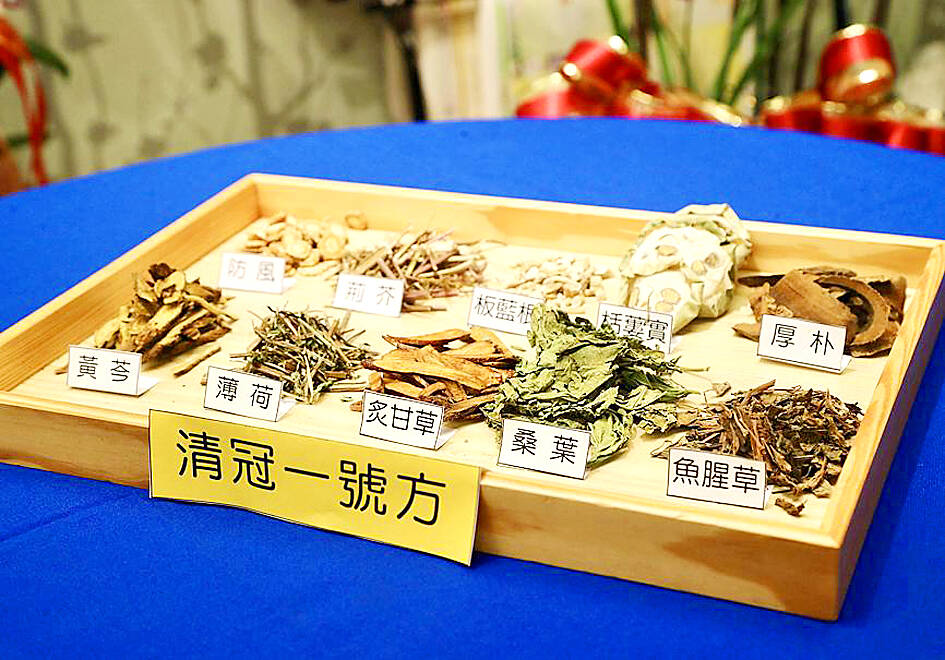
During the COVID-19 pandemic, hospital visits significantly decreased, but visits at traditional Chinese medicine clinics increased, especially as many people took the traditional herbal formula Taiwan Chingguan Yihau (清冠一號) to treat COVID-19, Shih said, adding that NHI expenditure for traditional Chinese medicine accounted for about four percent of the total budget last year.
More than 3 million people out of the 5 million with “three highs” have been included in a previous family doctor program or other shared care programs, so the NHIA hopes that the Family Physician Program can attract the remaining people into the program for better chronic care, he added.
link