What to know about the new EPA rule on air pollution
A new rule by the Environmental Protection Agency on how it calculates curbing air pollution could have harmful health implications for Americans, according to some environmental groups and health experts.
In the past, the EPA calculated a dollar value based on the health benefits of reducing air pollution, which included the number of premature deaths and illnesses avoided, such as asthma attacks.
But the agency will no longer apply a dollar value to the health benefits that result from its regulations for fine particulate matter (PM2.5) and ozone because of too much uncertainty in the estimates, the EPA said in its recently published regulatory impact analysis.
While the EPA will no longer monetize the benefits from regulations for fine particulate matter and ozone, it will continue to quantify the emissions until the agency is “confident enough in the modeling to properly monetize those impacts,” it said.
“EPA will still be considering lives saved when setting pollution limits,” EPA administrator Lee Zeldin posted to X on Monday.
In an email to ABC News, an EPA spokesperson reiterated that the agency is still considering the impacts that fine particulate matter and ozone emissions have on human health, like it “always has,” but that it will not be monetizing the impacts “at this time.”
“Not monetizing DOES NOT equal not considering or not valuing the human health impact,” the spokesperson said. “EPA is fully committed to its core mission of protect human health and the environment by relying on gold standard science, not the approval of so-called environmental groups that are funded by far-left activists.”

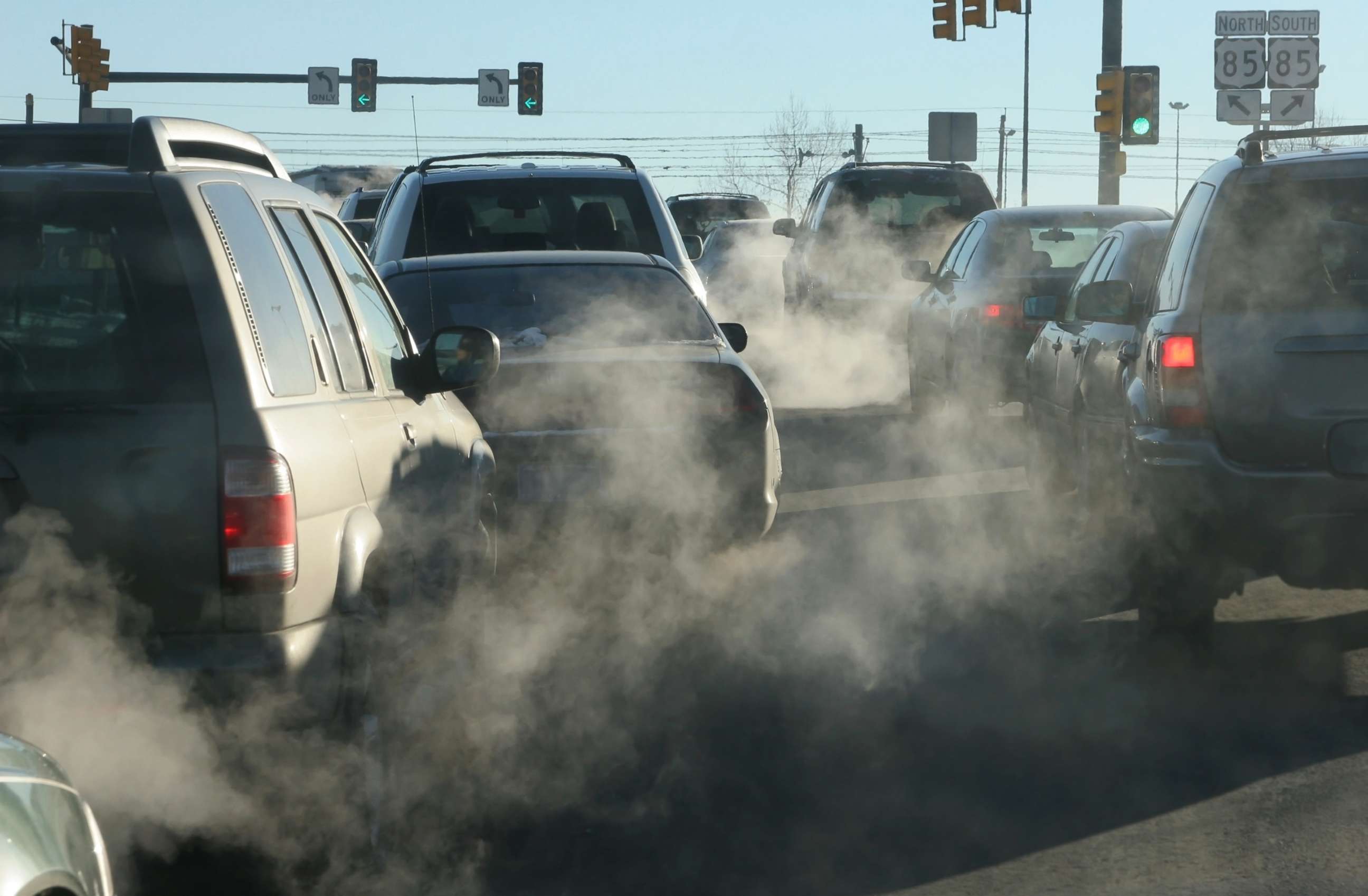
Fine particulate matter and ozone — soot and smog — are two of the most dangerous and widespread pollutants in the U.S., Julian Marshall, a professor of environmental engineering at the University of Washington, told ABC News. They stem from a number of sources, including emissions from vehicles, power plants, the agriculture industry and oil refineries.
The “obvious, most likely” outcome of the rule change is an increase in emissions, Marshall said, adding that it appears the Trump administration is “attempting to stack the decks firmly in favor of more pollution.”
“They clearly just want to remove this tool that has been useful for evaluating the impact of existing and new regulations,” Steven Chillrud, an environmental geochemist at the Lamont-Doherty Earth Observatory of Columbia University, told ABC News.
The EPA spokesperson pointed out that the Biden administration did not monetize many air pollutants in its rules. Under the Clean Air Act, the EPA must review and revise nitrogen oxide (NOx) standards every eight years to keep up with developments in pollution control technologies and practices. However, the EPA failed to update the NOx standards for new gas plants for 18 years. The Biden administration proposed revisions in November 2024 in response to a 2022 lawsuit filed by the Environmental Defense Fund and the Sierra Club, according to environmental groups.
The implementation of the rule change is a departure from the norm, Marshall said. Typically, in addition to a cost-benefit analysis to form a new regulation, the decision would be open to public comment. But that step has been bypassed.
During Ronald Reagan’s administration in the 1980s, it was industry executives who pushed for benefit cost analysis, Chillrud said.
Attributing health benefits to a dollar amount is part of the “rigorous” economic analysis the EPA has used for decades to evaluate both the benefits and costs of clean air protections and contributed to the EPA’s decision-making on air pollution and air quality protections, according to the Environmental Defense Fund and Sierra Club.

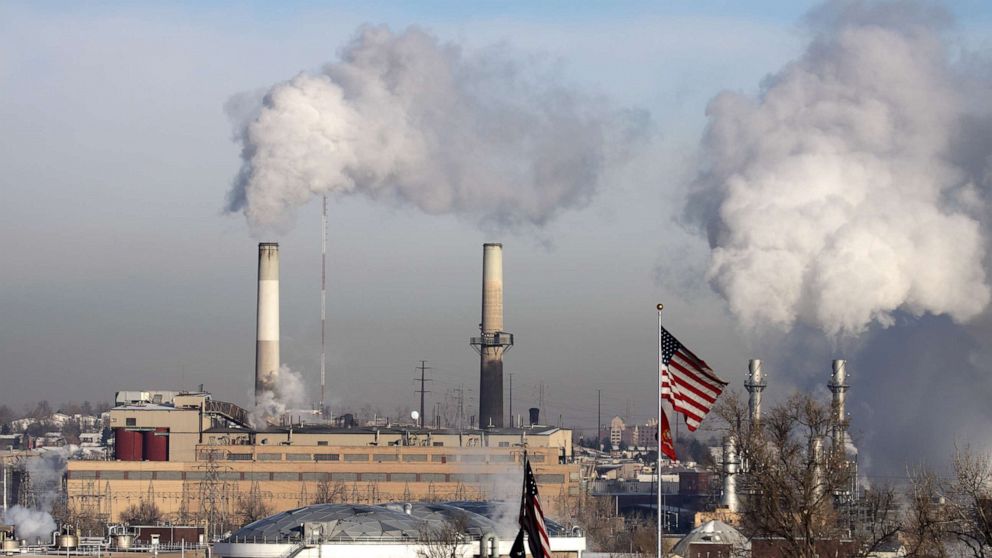
In this undated file photo, steam and pollution rise on a cold day at the Arapaho Station Coal Power Plant, a coal fired power plant along the Platte River in Littleton, just outside Denver, Colorado.
STOCK IMAGE/Getty Images
“Instead of working to reduce the uncertainties, now [the EPA] is saying uncertainties … are a reason to get rid of the approach altogether,” Chillrud said.
There is “strong evidence” connecting health outcomes to air pollution, Marshall said.
Medical studies published in December 2025 even linked PM2.5 exposure to low birth weight and an increased risk of depression.
The new rule “recklessly refuses to place any value on the protecting the health of millions of Americans,” even in the face of “mountains of medical science” that has found this type of pollution to contribute to asthma attacks, heart disease and other serious health problems, Noha Haggag, senior attorney for the Environmental Defense Fund, said in a statement.
In addition, low-income and minority communities will likely face higher exposure to air pollution and develop higher rates of health problems, Marshall said.
“There are inequities in exposure to air pollution,” he said.
Jeremy Symons, senior adviser at the Environmental Protection Network, described the new rule as a “shameful abdication of EPA’s responsibility to protect Americans from harm.”
Pollution levels in the last several decades have come down substantially due to more stringent emissions control, Marshall said. People are less likely to have heart attacks, get lung cancer or develop lung disease, he added.
“Improving air pollution makes us healthier and saves lives,” Chillrud said. “It has been shown to be one of the most cost effective ways of improving health and saving lives of all Americans.”
link