The Hidden Mental Health Cost of News on Social Media
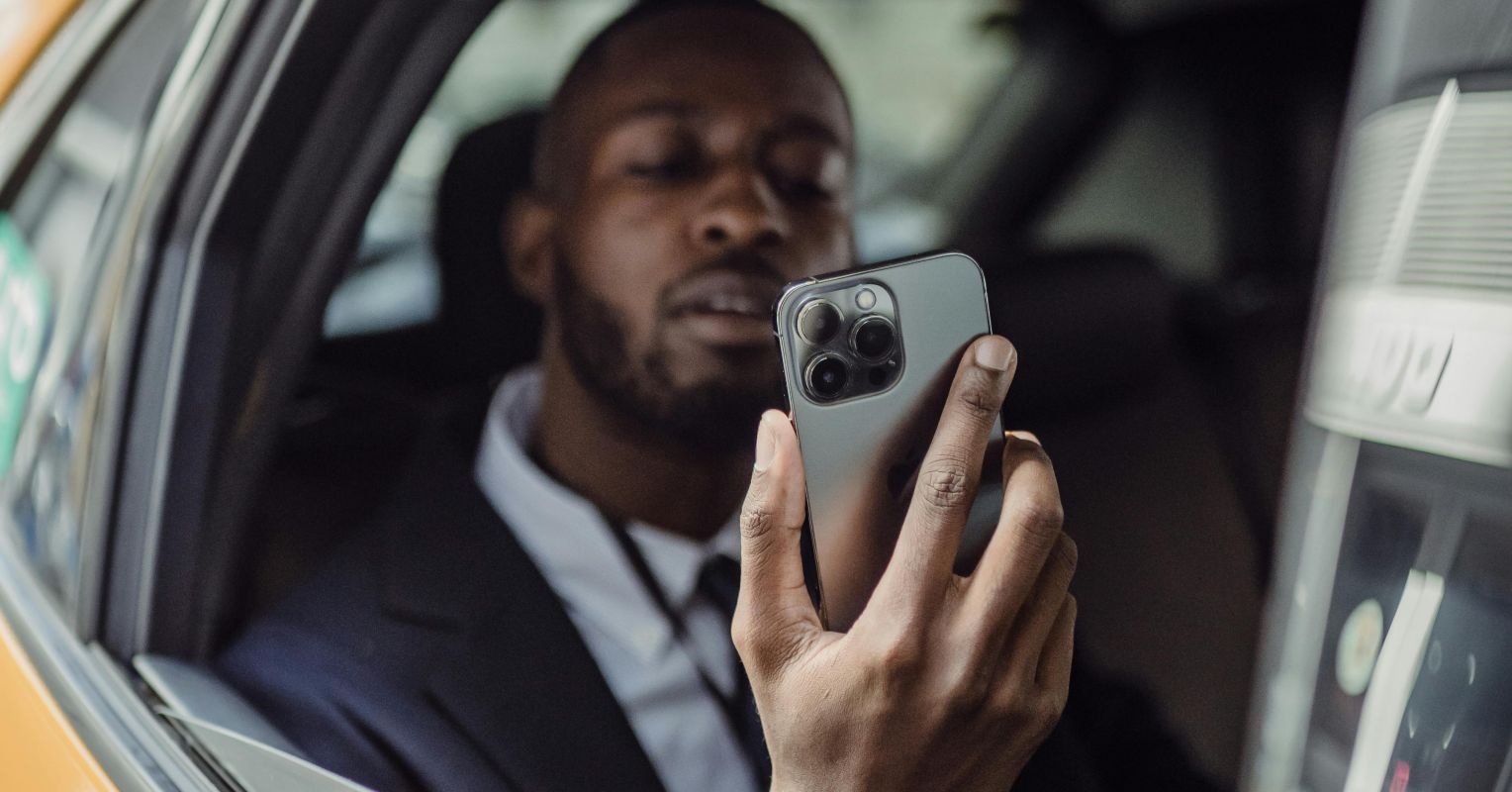
In an era defined by rapidly unfolding crises, wars rage in real time, democratic rights are challenged, and deepening social divides surface daily. Whether distant or close to home, today’s news often carries emotional weight—affecting individuals and communities alike.
For many people, social media has become the primary gateway to these stories. According to a recent Pew Research Center survey, more than half of U.S. adults say they at least sometimes get news from social media—a figure that underscores how embedded these platforms are in modern news diets.
News no longer arrives at set times through newspapers or evening broadcasts. Instead, it appears continuously—embedded within social feeds, notifications, and everyday scrolling. People do not always seek it out; they encounter it incidentally, again and again.
What makes social media news especially consequential is that it differs fundamentally from traditional forms of news consumption. Newspapers, television broadcasts, and even news websites historically required intentional access: People chose when to tune in, how long to stay, and when to disengage. Social media collapses those boundaries.
News now appears alongside personal updates, entertainment, and social interaction—often without a deliberate decision to consume it.
As a result, news exposure is no longer a discrete activity but an ambient condition of online life. Headlines surface repeatedly across feeds, are reshared by friends and strangers alike, and are algorithmically prioritized based on engagement rather than emotional cost.
This persistent, incidental exposure creates psychological dynamics that traditional media environments were never designed to produce.
Psychologists have begun to observe the consequences. The American Psychological Association has warned that media overload is contributing to heightened stress, emotional exhaustion, and difficulty disengaging from negative content. Clinicians report seeing patients who feel compelled to stay informed but are emotionally depleted by the effort.
Study on how social media newsfeeds affect people
Our recent large-scale research examining social media news consumption offers a more nuanced picture. Rather than asking whether news exposure is simply “good” or “bad” for mental health, our study examined how engagement with news feeds on BlueSky affects people over time.
The findings in our study reveal a set of trade-offs: Exposure to news on social media was linked to higher stress, anxiety, and depressive expressions that emerged quickly and persisted over time, indicating sustained emotional strain. At the same time, news engagement was associated with lower loneliness and greater social interaction, with users more likely to comment, quote, and join discussions—suggesting news engagement can also foster shared attention and connection.
Crucially, the mental health effects varied depending on how people engaged with news. Passive behaviors—such as bookmarking multiple news feeds or silently consuming headlines—were associated with substantially worse emotional outcomes than more active forms of engagement like commenting or contextualizing news through discussion.
This distinction in our findings helps explain why so many people feel both drawn to and drained by the news. Social media news does not merely inform; it immerses. Passive exposure accumulates without offering closure, context, or agency. Active engagement, while not without emotional cost, can provide opportunities for meaning-making, social support, and shared interpretation.
Importantly, the psychological toll is not driven solely by negative headlines but by the structure of social media news itself—constant, repetitive, and difficult to disengage from, regardless of topic.
Yet current platform designs overwhelmingly favor accumulation over reflection. Endless feeds, algorithmic amplification, and constant refresh cycles encourage sustained exposure while offering few natural stopping points. These same features maximize engagement metrics—but they also intensify emotional load.
Our negativity bias and doomscrolling
Humans are wired with a negativity bias—a tendency to attend more strongly to threats—and social media systems amplify this bias by prioritizing emotionally charged content. Researchers at institutions such as Stanford University have shown how algorithmic feeds disproportionately surface negative and emotionally arousing content, reinforcing cycles of attention and distress.
The practice of consuming negative news is called doomscrolling, a term that gained prominence during the COVID-19 pandemic. Research summarized by Harvard Health Publishing shows that doomscrolling is associated with higher anxiety, depressive symptoms, psychological distress, and sleep disruption, even when individuals recognize that the habit is harming their well-being.
Related terms such as headline anxiety and headline stress disorder—while not formal diagnoses—have entered clinical and popular discourse to describe the chronic agitation triggered by repeated exposure to alarming news.
Mental health organizations, including Mental Health America, note that frequent consumption of distressing news can intensify feelings of helplessness and emotional overload.
These experiences are not simply anecdotal. Experimental and observational studies show that even brief exposure to negative news can worsen mood and elevate anxiety, while repeated exposure compounds these effects over time.
Individual coping strategies—muting keywords, limiting screen time, or avoiding the news altogether—can help, but they place the burden entirely on users to manage environments engineered for constant attention. Moreover, disengaging from the news can feel socially or morally fraught, particularly during moments of collective crisis.
Rethinking digital news delivery
Addressing the mental health toll of social media news, therefore, requires more than personal discipline. It calls for rethinking how news is delivered in digital spaces. Design choices that slow the pace of exposure, differentiate passive consumption from active engagement, and support more contextualized interaction could help preserve the civic value of staying informed without exacting such high emotional costs.
Staying informed matters—for democracy, for community, and for collective action.
But as social media reshapes how news is encountered, it also reshapes how it is felt. Recognizing the psychological consequences of these systems is a necessary first step toward building news ecosystems that serve both public knowledge and mental well-being.
link