The hidden health risks of Diwali air pollution |

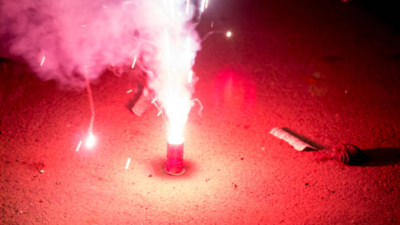
While the glow of Diwali lightens up our homes with joy, the other side—the air pollution—follows right after the celebration. Particulate matter, along with NO₂ and SO₂ due to Diwali, always increases, observed during the late night hours, peaking between 7 PM – 1 AM. Its the time when fireworks are used almost everywhere. This emits high levels of pollutants in the air that cause severe disruption to our respiratory system. While many of us experience short-term effects like coughing, wheezing, and irritation, the long-term health risks are often not taken seriously.
Immediate vs. Long-Term Health Effects
The harsh reality of air pollution brings symptoms that range from mild irritation to severe respiratory distress in the immediate period of Diwali. People with conditions like asthma, bronchitis, or Chronic Obstructive Pulmonary Diseases (COPD) become sensitive to increased symptoms around Diwali. The extreme levels of pollution is highly harmful to the health of children, the elderly, and individuals with compromised immune system.
Yet, the reality is that even healthy people are at good risk of long-term diseases. Particles in polluted air are easy enough to pass through the lungs and even into the bloodstream, leading to inflammation and tissue damage. Over time, exposure to such particles can gradually contribute to the development of chronic conditions such as:
Chronic Respiratory Diseases: Chronic exposure to polluted air may lead to long-term diseases such as asthma and COPD even in previously healthy individuals. High-pollution events, like Diwali, are particularly risky.
Cardiovascular Problems: Airborne particles can do more harm than one thinks to the lungs. Studies have consistently demonstrated that air pollution is linked with the hardening of the arteries, raising the risks of heart attacks, strokes, and other cardiovascular problems.
Lung Cancer: Similarly, polluted air has long been associated with increasing the risk of lung cancer. If smoking is on top in this regard, carcinogenic elements breathed in through polluted air are equally deadly, especially over the years.
Prevention: What Can be Done?
While it’s nearly impossible to completely avoid air pollution during and after Diwali, there are several steps you can take to reduce your exposure and protect your health:
Limit Outdoor Exposure:
Avoid spending a long time outdoors, especially when it’s the peak hours of firecracker activity. If you have to go out, it is advised to use a N95 mask to filter out harmful particles.
Use Air Purifiers:
Investing in a good air purifier can make a big difference, especially with young children or elderly members at home. Keep windows and doors closed to prevent polluted air from entering your home.
Hydration and Nutrition:
Staying hydrated helps your body flush out toxins, while a diet rich in antioxidants can boost your immune system to combat the effects of pollution. Include fruits, vegetables, and omega-3-rich foods to support lung health.
Practice Breathing Exercises:
Simple breathing exercises like Anulom Vilom helps strengthen the lungs and improve respiratory function. This seems to even benefit individuals with asthma or other chronic respiratory conditions.
Monitor Air Quality:
Pay attention to air quality index (AQI) updates during the festive season. If the AQI is high, it’s best to stay indoors as much as possible.
The Road Ahead
While individual contributions go a long way in decrease the impacts of pollution, saving people from its chronic health effects requires systemic changes on a larger scale. This calls for a reduction in the use of firecrackers and making the celebration of Diwali an eco-friendly affair. Such initiatives by the government aimed at cutting down pollution, especially during the festive seasons, are very vital in safeguarding public health in the future.
This is a time for joy, but not at the expense of our health. Equally important is the need to keep alive the awareness of the dangers lurking beneath air pollution. By being aware of the risks and taking proactive measures to reduce long-term effects on health, we ensure a safer, healthier future for all.
(Author: Dr. Deepak Parashar, Health Expert at Healthians)
link