Respiratory Health: The impact of air pollution on children’s respiratory health |
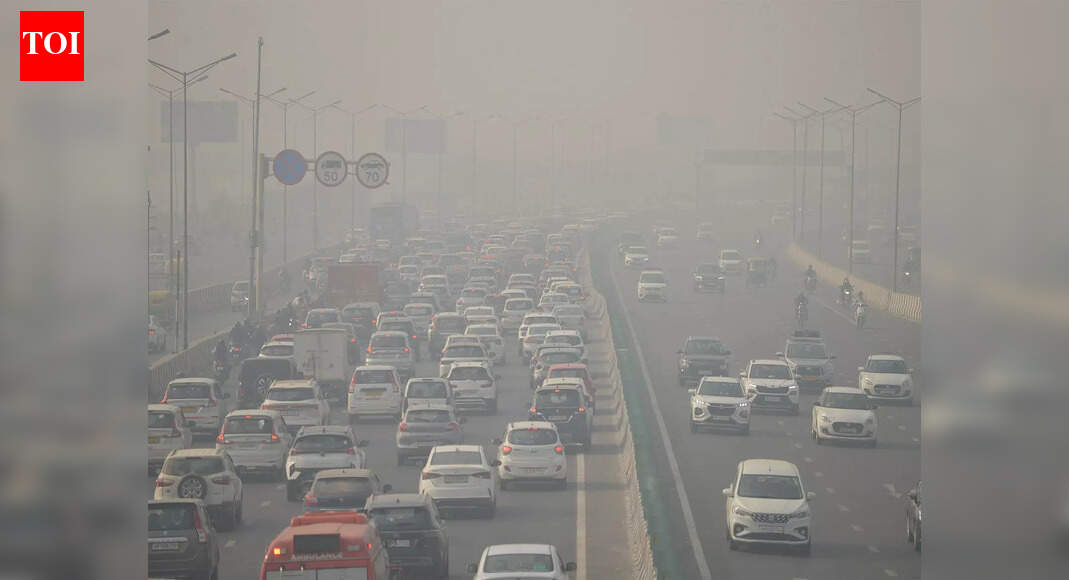
Air pollution makes children sick with respiratory disease around the world. Because the lungs and immune systems of children exposed to pollution still develop, they ventilate at higher rates and they spend more time outdoors, they risk respiratory illness more.PM2.5 and PM10, nitrogen dioxide, ozone along with some other air pollutants are small enough that they penetrate into the deeper parts of the lungs when inhaled, and they can affect people in both the short and long term. In the short term, these can include respiratory tract irritation, bronchitis, aggravation of asthma and pneumonia, children are particularly vulnerable to it in effect. These conditions can cause coughing, wheezing, and difficulty during breathing, in addition to frequent visits to the emergency room.
Air pollution can cause asthma to attack more, affect respiratory health, and stunt lungs as they grow over a lifetime in children who have asthma. High pollution levels expose children, and those children have lungs with less capacity than those who breathe lower pollution levels. More polluted areas house children, and those children risk development of chronic respiratory diseases.Chronic respiratory diseases make children physically sick and lead to absences from school. This, paired with a decline in quality of life and restricted outdoor activities, causes developmental impairment, including delayed development of social skills and sports skills. The illness may also cause emotional and monetary strain for the family of a child affected by air pollution.Epidemiological studies in both higher and lower income countries have estimated that air pollution creates a large fraction of childhood respiratory illness and death within them, suggesting a need to act at multiple levels.This suggests members of the general population should discuss air pollution as a risk factor for it. They should support clean-air policies, and strong public health policies to reduce emissions of a diversity of air pollutants from cars, trucks, ships, power plants, homes, and others. If people lower pollution and prevent pollution, people will lower the risk from respiratory diseases in children. If we improve air quality, we invest so healthy generations breathe freely, grow up stronger, and live healthier, more active lives without illness as a burden.Parents and caregivers for each person can lessen how much their children breathe in by: keeping them from doing outdoor activities when air quality is bad, purifying air, ventilating indoor air well, polluting indoors less, and encouraging them to use masks when needed with assurance toward them. Pulmonary function tests can diagnose asthma or bronchitis in patients.In conclusion, as doctors, we witness and experience the disastrous effects of these diseases firsthand, and thus, we are quite certain that these illnesses could be averted in a simple way if the surroundings were cleaner and protective measures were implemented. Hence, it would be necessary to improve the quality of the air to have less-smog days, to lower emissions, and to inform more people about such issues if we were to take correct and efficient measures... Therefore, it would be necessary to have less-smog days by improving the air quality, to reduce the emissions, and to inform more people about such issues if we were to take correct and efficient measures.Deciding on the measures that will be implemented in households and schools to protect children from the polluted air is equally important though. Thus, in a sense, providing children with clean air is a pledge of healthy lungs, normal physical development, and a future generation that, apart from being able to live, will also be able to play and thrive without any respiratory diseases.Dr. Revathy Kodakkal is a Consultant Pulmonologist at Holy Family Hospital, Bandra West
link