
Mental fitness practice: RESET as the anchor for positive psychology and control
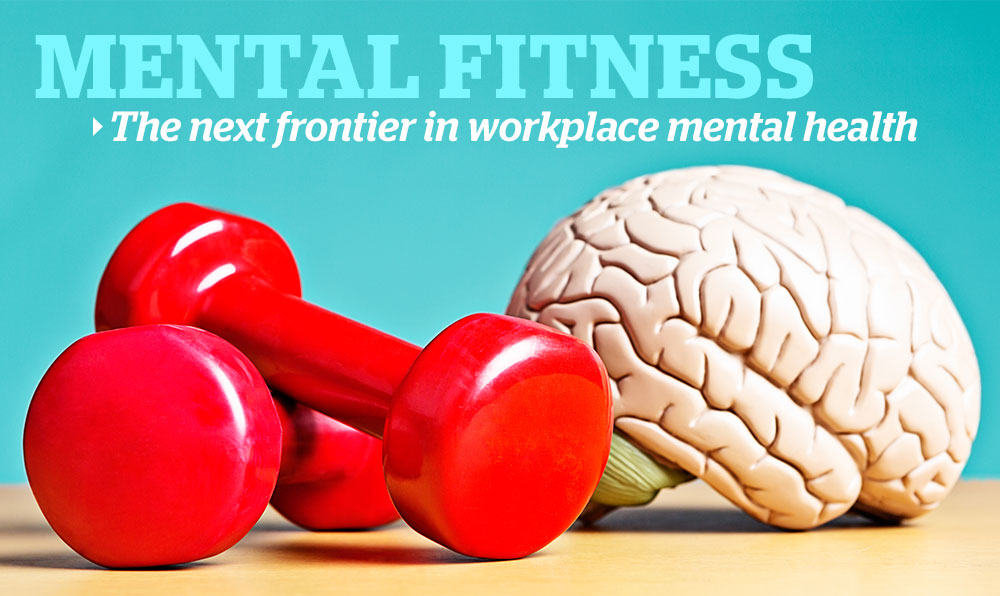
Mental fitness practice is a prosocial lifestyle choice that supports and sustains mental health and thriving in today’s complex world. Like physical fitness, mental fitness is an ongoing journey that requires deliberate, repeated effort. It is not a destination.
Proactive mental fitness practice acts as a protective factor against stress, burnout and mental health decline by building psychological strength before challenges arise. The benefits of greater resilience, emotional regulation and overall well-being don’t happen by chance; they emerge through consistent practice.
A personalized mental fitness plan identifies areas of life that feel like drains and applies intentional strategies to recharge and strengthen well-being. These plans don’t need to be complicated; they need to be purposeful and practiced regularly to create a lasting impact.
The five pillars of mental fitness practice
After developing and publishing over 400 micro-skills and conducting years of research and applied clinical work, it has become clear to me that the five core pillars outlined below can not only predict but also support the development and maintenance of good mental health. These are not just concepts; they are part of an actionable mental fitness practice framework.
Mental health is influenced by how a person engages with each of these pillars and the degree of support and stability they receive from their environment. Much like Maslow’s hierarchy of needs, we all have foundational needs such as a safe place to sleep, physical safety and the ability to meet our financial needs before we can focus on optimizing physical and mental health to reach our potential.
When these conditions are met, individuals are better positioned to build resilience, regulate emotions and develop habits that promote thriving. Mental fitness practice is not about perfection; it’s about progress through intentional practice to take control of what is within our control: our micro-decisions and choices.
The following five pillars are a roadmap for creating a proactive mental fitness plan that acts as a protective factor for mental health and, ultimately, supports physical health and longevity:
- Physical: Sleep, nutrition, movement and hydration that form the baseline for energy and brain health
- RESET: Resiliency, emotions, self-talk, empowerment and thriving habits that constitute the psychological core
- Social: Authentic connections and supportive relationships that buffer stress and foster belonging
- Environment: Workplace culture, resources and housing security that create stability
- Financial health: Security and confidence in managing money, which reduces stress and supports long-term well-being
These pillars work together to promote mental health, which supports physical health and longevity. When the pillars align, they create a strong foundation for flourishing.
RESET’s five principles: Anchoring what’s within our control
RESET is more than an acronym; it’s a structured model for promoting positive psychology and helping individuals discover what is within their control. Its goal is to anchor what happens “between our ears.” Our thoughts, emotions and habits are influenced by what we know and choose to do. By developing insights and taking action, we learn to better focus on what we can influence while accepting our interdependence with the other pillars of mental fitness.
Here’s why RESET matters:
- Promotes positive psychology: RESET’s principles encourage optimism, resilience and growth, shifting the focus from problems to possibilities.
- Clarifies control: By practicing RESET, individuals learn to distinguish between what they can control (thoughts, actions, habits) and what they cannot (external events), reducing stress and fostering empowerment.
- Builds mental fitness capacity: RESET strengthens coping skills, emotional regulation and thriving habits, creating a buffer against life’s challenges.
The five RESET principles
Each principle is amplified by supportive environments, trusted and safe relationships, caring atmospheres (i.e., psychologically safe workplaces), financial health and access to support resources:
R – Resiliency and coping skills
Resiliency is the ability to bounce back from setbacks and adapt to change. Practice coping micro-skills like problem-solving, deep breathing and ERP (Expect, Resist, Pivot). Resilience grows stronger when shared; seek support when needed.
E – Emotions
Emotional awareness and regulation help you understand and manage feelings. Name emotions to tame them; feelings are signals, not commands. Use proportional responses; pause, breathe and respond with curiosity.
S – Self-talk
Your inner dialogue shapes beliefs, confidence and actions. Track and challenge thinking errors, replacing “always/never” statements with balanced facts. Practice positive affirmations such as “I’m still learning; I can improve.”
E – Empowerment
Empowerment means taking ownership of choices and actions, shifting towards an internal locus of control. Focus on choices you can make today and reinforce agency through intentional actions and positive narratives.
T – Thriving habits
Thriving habits are daily routines that support flourishing. Build habits around sleep, movement, hydration, gratitude and social check-ins. Use the PERMA model as a guide:
- Positive emotion: Cultivate joy and gratitude.
- Engagement: Immerse in meaningful activities.
- Relationships: Invest in authentic connections.
- Meaning: Align actions with values and purpose.
- Accomplishment: Set and celebrate goals.
Micro-skills: The building blocks of mental fitness
Micro-skills make mental fitness sustainable. They fall into three categories:
- On-demand: Skills for the moment (e.g., deep breathing, ERP)
- Routine: Habits that become automatic (e.g., nightly wind-down, daily gratitude)
- Discovery: Planned experimentation to add new skills and find what works best for you
When creating your personalized mental fitness plan, be intentional about the micro-skills you choose. Each should have a clear purpose within your plan.
The goal of RESET’s five principles: Promote mental health that supports longevity
Mental fitness practice is not about perfection; it’s about intention for self-care. RESET provides a roadmap for strengthening psychological health and safety, reducing stress and building capacity for thriving. By integrating RESET principles with the pillars of physical, social, environmental, and financial health, you create a system that promotes mental health and supports physical health and longevity.
Start small. Pick one micro-skill from each RESET principle and practice it consistently. Over time, these intentional actions will compound, helping you recharge, flourish and reach your potential.
Want to learn more about the RESET principles? Register for our RESET: Five Principles for Mental Fitness course, beginning on Feb. 19, 2026.
link