
A Shared Responsibility for Emotional Health
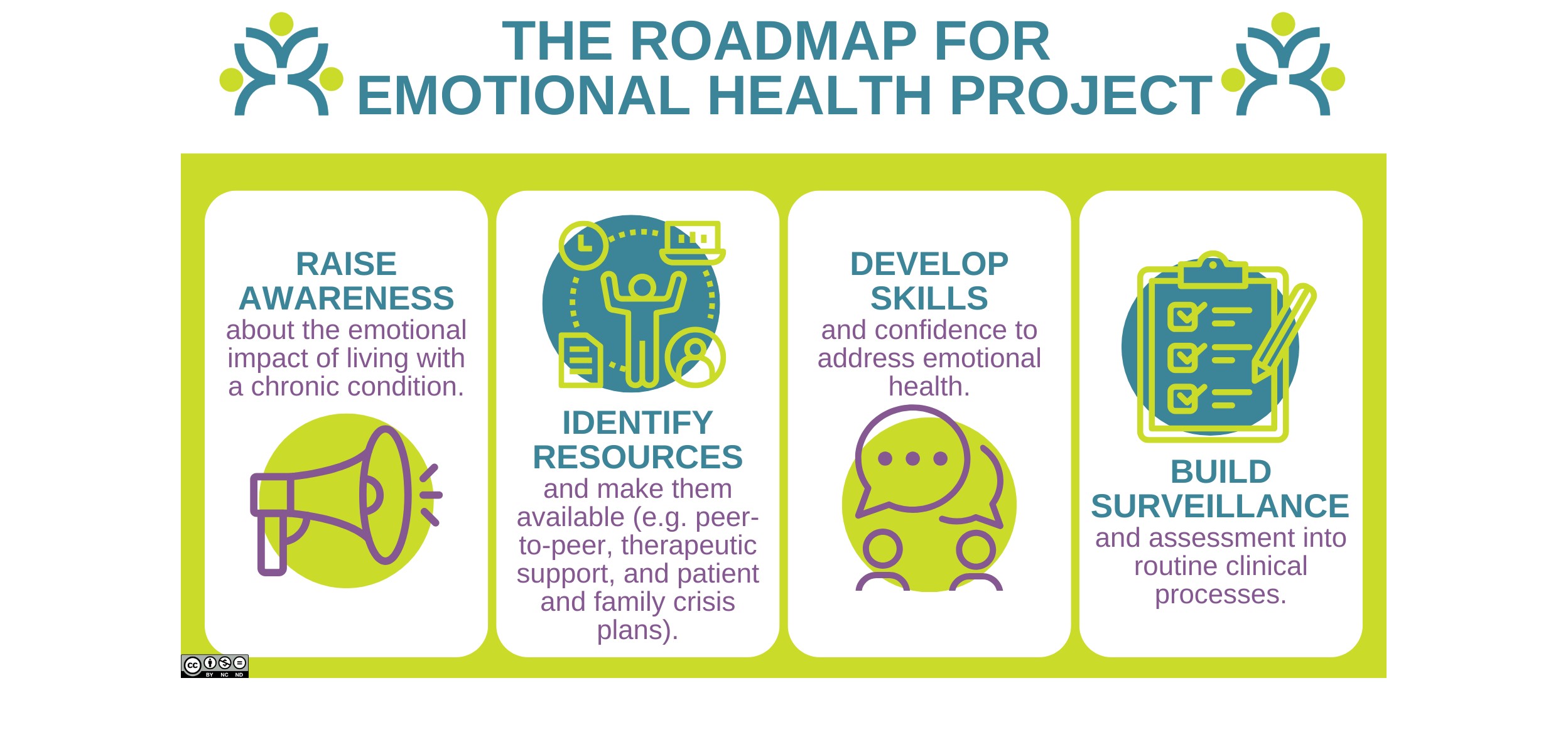
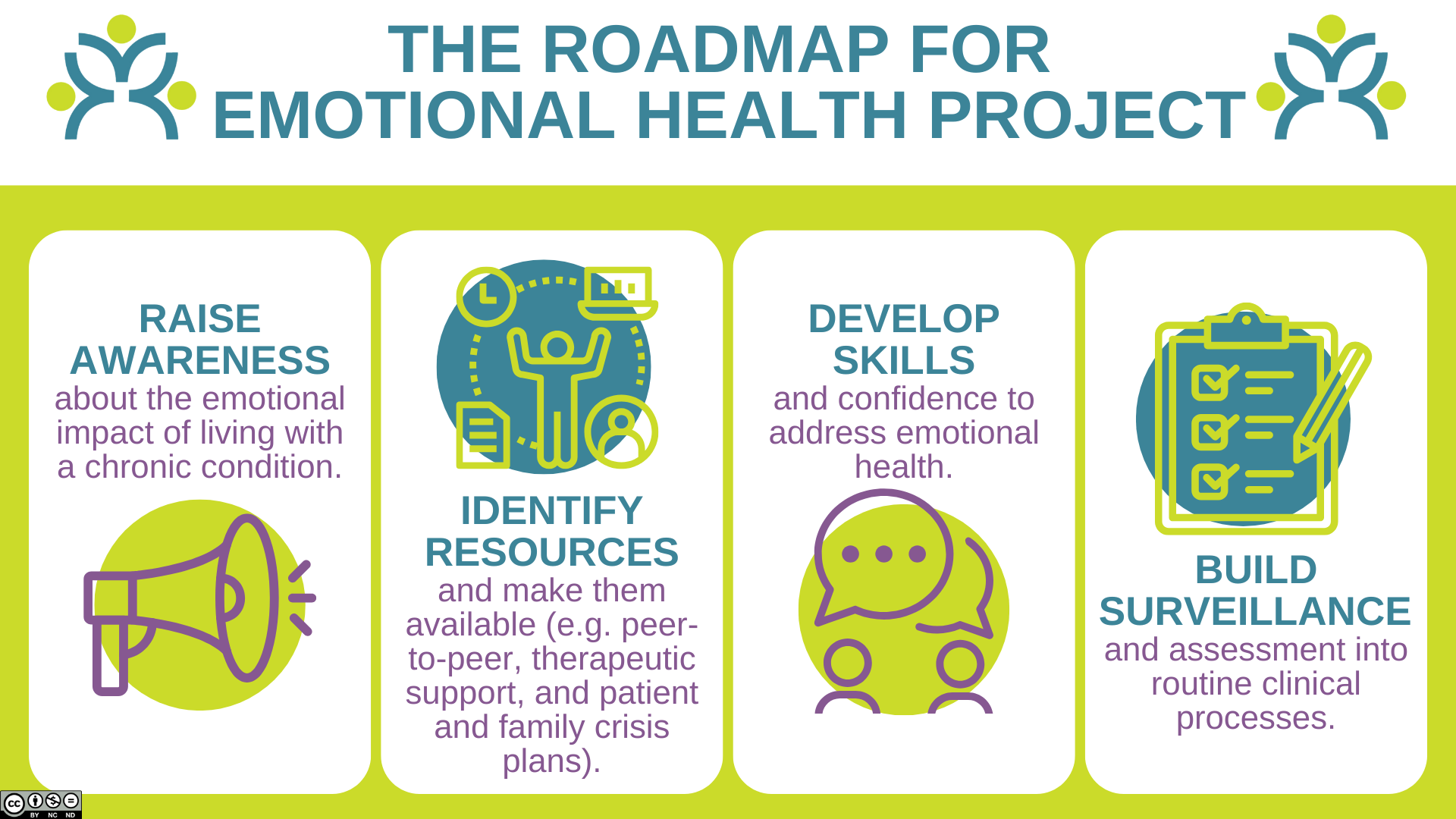
Roadmap project offers scalable strategies to integrate emotional health as a part of routine care
The national emergency in child and adolescent mental health declared by leading pediatric organizations in 2021 continues to strain an already overburdened behavioral health system. For children living with chronic medical conditions and their families, emotional health challenges are both common and often complex. While many pediatricians excel in addressing physical health, emotional health support often remains under-resourced or overlooked in specialty care settings.
A recent publication in Translational Behavioral Medicine, Increasing Capacity to Address Emotional Health for Children with Chronic Conditions and their Families: Roles for Pediatric Psychologists, highlights an effective response: The Roadmap for Emotional Health Project. Co-led by the American Board of Pediatrics (ABP) and the James M. Anderson Center for Health Systems Excellence at Cincinnati Children’s, Roadmap offers practical, scalable strategies to integrate emotional health as a part of routine care with pediatric psychologists as key partners and helping to lead the way.
Pediatric Psychologists as System-Level Changemakers
Pediatric psychologists are increasingly assuming system-level roles, including designing multidisciplinary interventions, supporting clinical teams to routinely address emotional health, and optimizing clinic workflows to proactively promote emotional well-being. At the heart of the Roadmap model is a belief that emotional health is a shared responsibility. Empowering medical providers to ask about emotional health has become a key strategy to address and ensure patient and family well-being.
Developed by friend of Roadmap Erica Sood, PhD, the Normalize–Ask–Pause–Connect (N-A-P-C) framework equips clinical providers with a structured, empathetic way to engage families in emotional health conversations. This simple yet transformative approach is being adopted across subspecialties and featured in videos, quick-reference guides, and training modules. Sood says that the patients, families, and clinicians who worked on Roadmap’s pilot inspired her to document the N-A-P-C clinical approach.
Patients and families have shared how important it is that clinical teams acknowledge the stress of living with a chronic condition. By partnering with pediatric psychologists, clinical teams gain skill and confidence to address emotional health and realize that they are not expected to be the “mental health therapist.”
Supporting Excellent Care for All Families
Some families experience additional emotional stress due to past encounters with bias, mistrust, or lack of understanding. Roadmap psychologist Lori Crosby, PsyD, has prioritized culturally responsive training and resources, including guidance on how to build trust and respond thoughtfully to a range of family perspectives. Collaborations with Black patients and caregivers, for example, have led to new resources that help providers navigate sensitive conversations with empathy and awareness.
These resources aim to improve communication, reduce misunderstanding, and ensure that emotional health conversations reflect the needs of each unique family, strengthening relationships and improving overall care.
From Ideas to Implementation and Spread
The Roadmap for Emotional Health Project has been piloted successfully in 58 clinical teams across 15 subspecialties from 35 children’s hospital systems. At Hassenfeld Children’s Hospital at NYU Langone, what began as a subspecialty diabetes clinic pilot has now evolved into the Child and Family Well-Being Bundle—a comprehensive, institution-wide approach to embedding emotional health support into all pediatric subspecialty care.
This effort is not just about changing conversations; it’s about changing the culture! With the support of pediatric psychologists, weekly team check-ins, tailored handouts, peer-to-peer learning, and ongoing coaching help clinical teams build confidence, reduce stigma, and offer more holistic care. Insights from this subspecialty rollout suggest that emotional health initiatives gain traction when they address provider concerns about opening “Pandora’s Box” and difficult parent/patient interactions.
Looking Forward: Integrating Behavioral Health into Value-Based Care
The value of psychology colleagues supporting clinical teams in addressing patient and family emotional health is clear. Better integration of emotional and physical health can improve patient experiences, prevent behavioral escalations, and help to reduce long-term healthcare concerns. Pediatric psychologists are uniquely positioned to be essential partners in this transformation.
The Roadmap for Emotional Health Project offers a vision for what is possible when multidisciplinary teams prioritize emotional health as an integral part of pediatric care. Cincinnati Children’s is proud to contribute to and expand this work, reinforcing our commitment to excellent outcomes for every child and family we serve.
Don’t Miss a Post:
link