


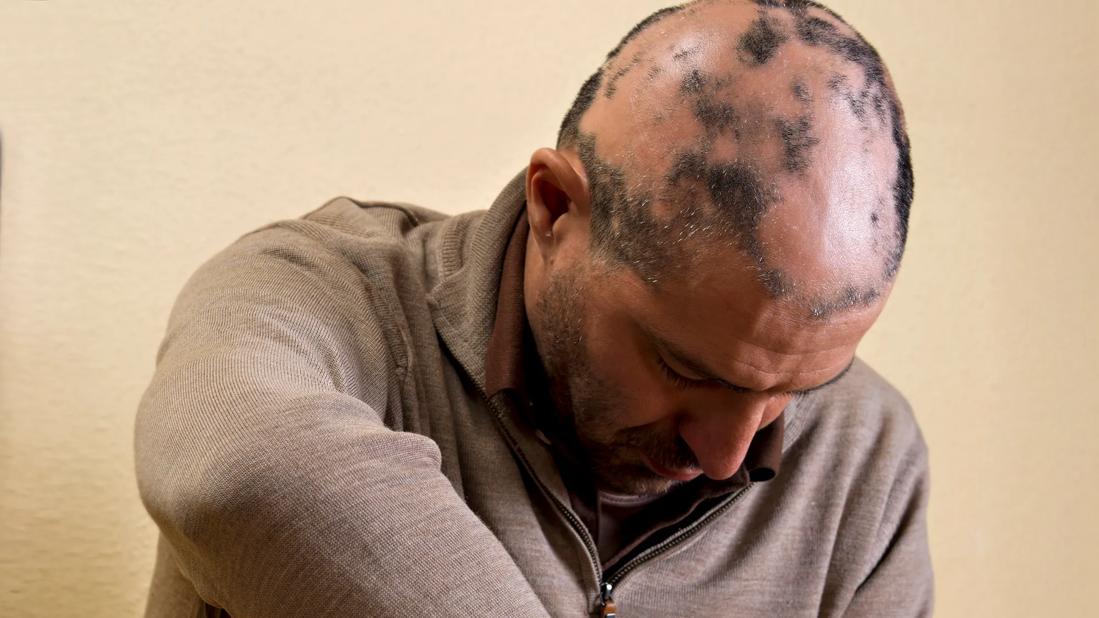
It’s said that your hair is your “crowning glory.” But when you have alopecia areata, you may feel ashamed and embarrassed by your hair loss. And it can take a toll on your mental health. In fact, one study found that if you have alopecia areata, you’re 30% to 38% more likely to be diagnosed with depression.
Advertisement
Cleveland Clinic is a non-profit academic medical center. Advertising on our site helps support our mission. We do not endorse non-Cleveland Clinic products or services. Policy
Dermatologist Stephanie Trovato, MD, shares how the autoimmune disease can cause stress and anxiety and what you can do to cope.
How does alopecia areata affect your mental health?
Alopecia areata can affect your confidence, thoughts, emotions and behaviors. The shame you may feel can lead to social isolation, as well as absences from school or work.
“People with alopecia areata often report feeling numerous emotional and social challenges. Some find it challenging going about their day without spending extra time trying to hide their hair loss,” explains Dr. Trovato. “They may choose to conceal their hair loss due to concern about questioning looks from others.”
And that added stress can also cause an alopecia areata flare-up. You may start to see new patches of hair loss or notice your overall hair loss is getting worse.
Ways to focus on your mental health
The goal is to reduce stress and anxiety — both of which can aggravate your immune system and trigger your alopecia areata. Dr. Trovato suggests the following:
Take time to relax
Think about what activities you find relaxing. Whatever your answer is (whether it’s baking or cuddling with your pet), find time throughout your day to unwind.
Some ideas include:
- Reading a book
- Listening to a podcast
- Listening to music
- Taking a bath
- Lighting a scented candle
- Watching your favorite TV show
- Gardening
- Taking a hike
Consider meditation
Taking time to stop and focus on how you’re feeling can help reduce your emotional stress. You can do so by taking any negative thoughts and replacing them with positive ones.
Meditation comes in many different forms, like:
Join a support group
“Support groups can offer a sense of community,” Dr. Trovato notes. “It’s important to know that you’re not alone.”
Being around others who have alopecia areata not only gives you a sense of belonging, but it can also be helpful to turn to others for advice and guidance. Your healthcare provider may know of local support groups. You can also find resources through the National Alopecia Areata Foundation.
Focus on lifestyle changes
You want to keep your immune system functioning at its best. That means certain lifestyle changes are vital:
- Follow a well-balanced diet.
- Drink enough water.
- Exercise regularly.
- Prioritize sleep.
Talk with a mental health professional
If you find yourself frequently worrying and withdrawing from your family and friends, you may want to consider talking with a mental health professional.
“Mental health professionals can help create and support healthy coping mechanisms,” emphasizes Dr. Trovato. “Those skills are pivotal in so many areas in our lives, including navigating medical conditions like alopecia areata.”
Bottom line?
Learning how to live with alopecia areata can be overwhelming. While you may feel stressed and anxious at times, know that there are ways to cope and help reduce your stress.
“Because hair is so focal to our sense of identity, some people struggle with a perceived loss or shift in identity,” says Dr. Trovato. “It’s important for you to seek out resources to navigate the powerful emotional aspect of alopecia areata.”
link