



“Throughout history, people used plants not just to nourish the body, but also to heal it,” says Tzipi Kadosh, a naturopath and clinical herbalist who heads the clinical herbalism program at Reidman International College for Complementary and Integrative Medicine. “Herbal medicine is one of the oldest healing systems on Earth. It began as traditional medicine passed down through generations—from father to son, mother to daughter.”
According to Kadosh, early knowledge of plant healing properties came from careful observation. “Our ancestors watched the plants around them, the environment they grew in, and how animals used them,” she explains. “They noticed that some plants were eaten by animals only when they were sick and realized that must mean the plant had healing power.”
7 View gallery
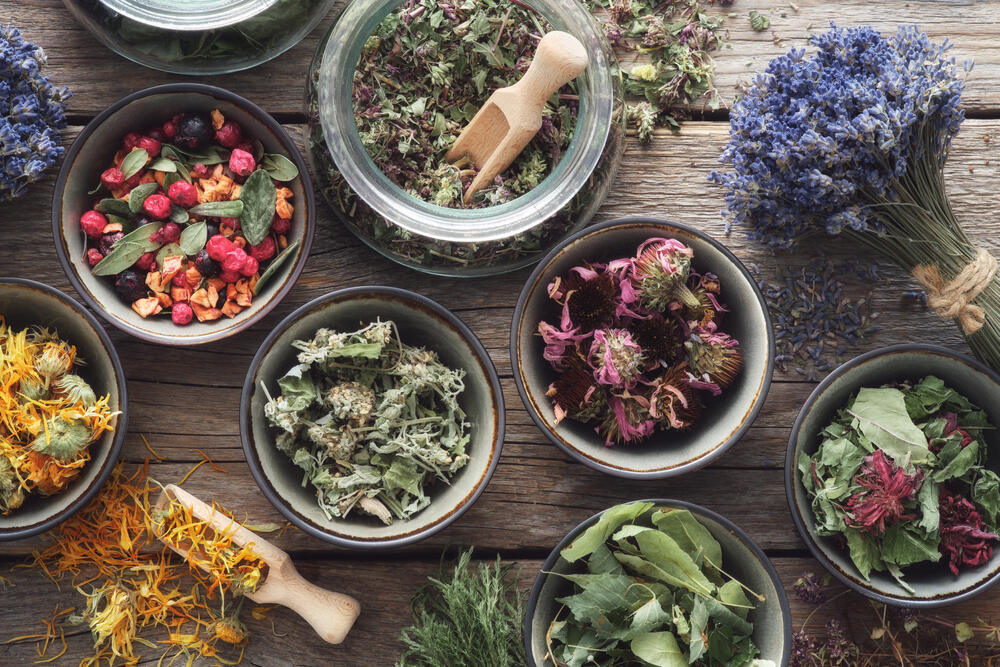

Among the oldest medicines on Earth: Medicinal plants
(Photo: Shutterstock)
Today, when every issue seems to have a shiny pill solution, Kadosh says herbal medicine offers something fundamentally different.
“A pharmaceutical drug typically contains one active compound, synthetically made in a lab. A plant, on the other hand, has been alive on this planet for thousands of years. It contains a rich variety of active ingredients, sometimes dozens or even hundreds. Some we know, some are yet to be studied.” The key, she adds, is balance. “The plant’s components exist in perfect proportions for humans and animals to consume. That’s a huge difference.”
7 View gallery


Tzipi Kadosh
(Photo: Personal album)
Below are five easily available, simple-to-prepare herbs that can help bring calm in turbulent times. All can be consumed as tea and incorporated into a daily relaxation routine.
“These are great to keep at home,” Kadosh advises. “You can use them separately or mix them. During a stressful moment, just make yourself a calming tea.” If using a single herb, place 1–2 teaspoons of dried leaves in a strainer, pour hot water, cover for 5 minutes, then remove the herbs and drink. This method also preserves the essential oils.
Still, she cautions: “Even gentle infusions can interact with medications.” These suggestions don’t replace professional medical advice. “Always consult a doctor before using herbal remedies, especially if you’re on medication.”
The first herb Kadosh recommends is lemon balm, from the mint family. Known for its lemony scent that attracts bees, it’s been widely used across Iran, Africa and in traditional Arabic medicine for anxiety, digestion and nerve conditions.
7 View gallery
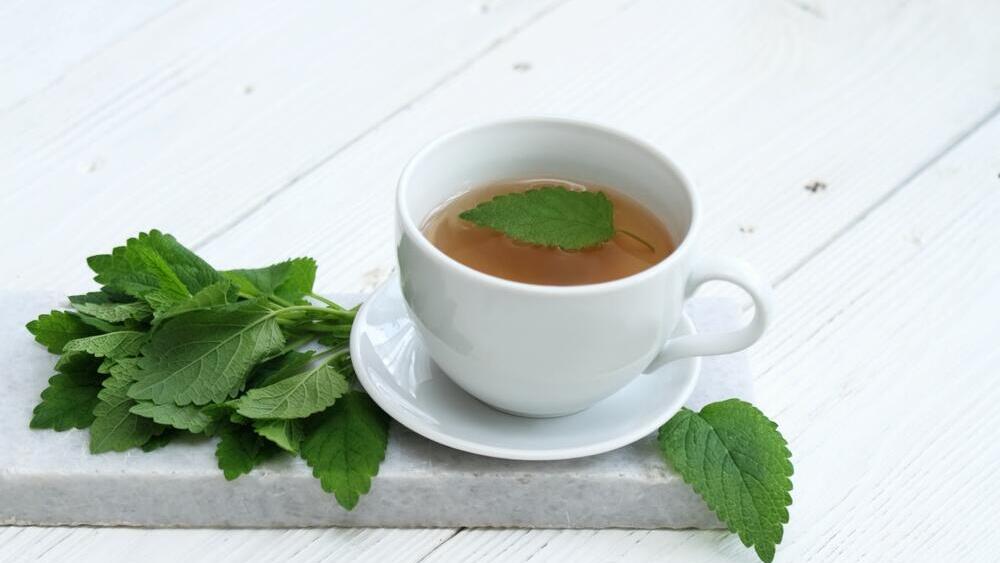

Sedation and pain relief. Medical Melissa
(Photo: Shutterstock)
“It calms, relieves muscle tension, and reduces gas and bloating,” Kadosh says. “It works quickly—even from the first sips of tea.”
Lemon balm supports both digestion and the nervous system, especially in stress-induced digestive issues. A 2010 study found it helped reduce mild anxiety and improve sleep. It’s widely available fresh or dried.
Gotu kola, revered in Ayurveda, thrives near water—symbolizing its calming nature. It’s used to rejuvenate the nervous system, support memory and reduce stress and high blood pressure.
7 View gallery

Reduces stress. Centella
(Photo: Shutterstock)
Pharmacologically, it’s considered an adaptogen, meaning it helps the body adapt to long-term stress. “It improves cognition, protects brain cells and promotes resilience,” says Kadosh. Research supports its anti-stress and antidepressant effects. It’s ideal for prolonged tension, such as a more than two-year war.
Native to Israel and found in local markets, this mint-scented plant grows in rocky soil and has a delicate yet resilient nature.
Traditionally used for digestive problems, high blood pressure, fatigue and emotional stress, it soothes the gut and lifts mood.
7 View gallery
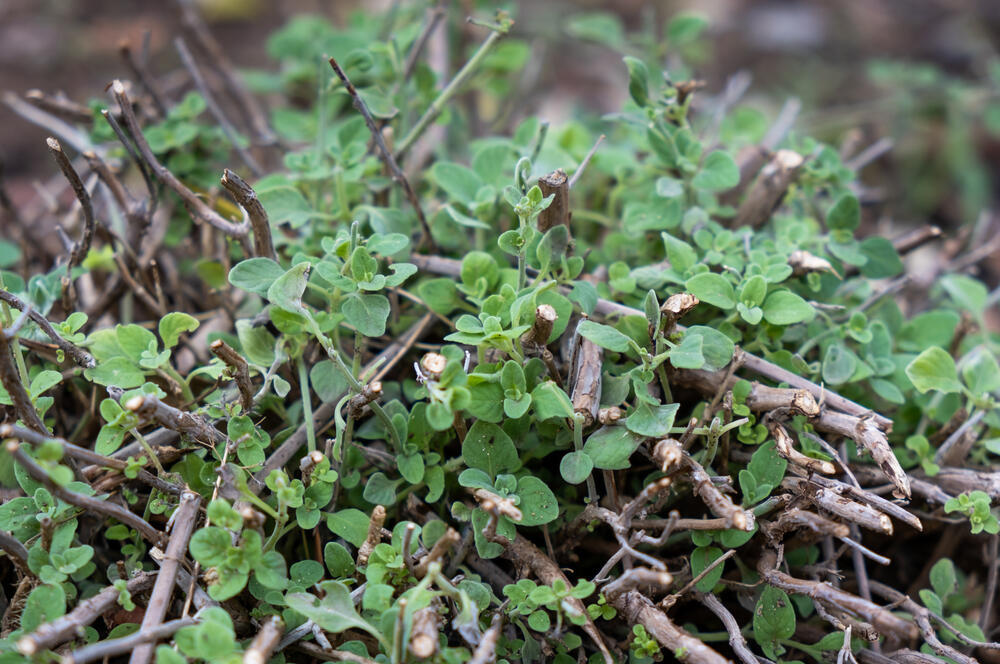

Sold in almost every local market. White Micromeria
(Photo: Shutterstock)
“It’s great for gas, bloating and general calm,” says Kadosh. It also acts as a natural expectorant in cold season. Combined with lemon balm, it makes a refreshing, calming tea.
A staple in herbal medicine for thousands of years, chamomile contains apigenin, a natural compound studied for its anti-anxiety effects.
Used to treat digestive issues caused by stress, it’s also known for its gentle calming properties—so much so that even infants can benefit.
7 View gallery
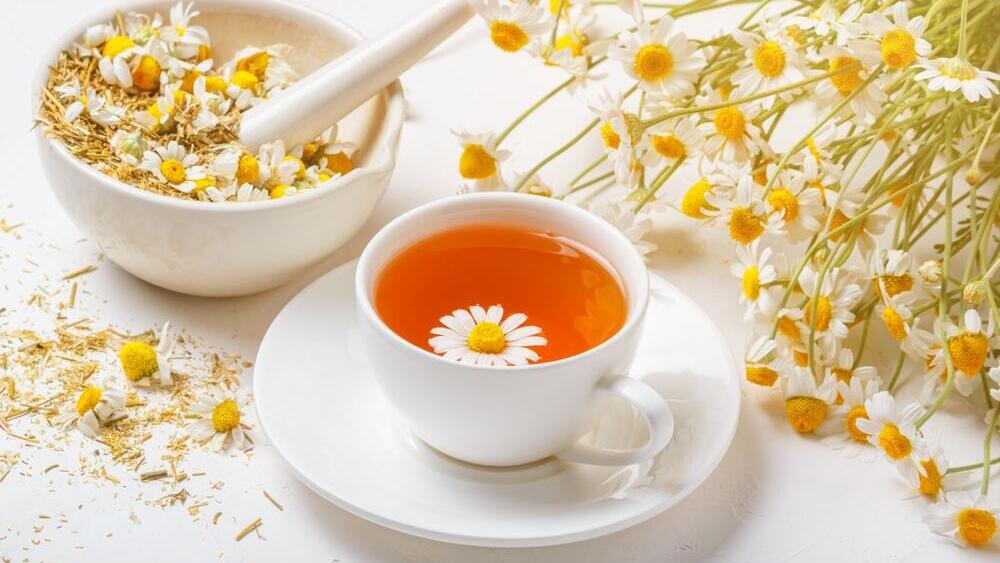
Treats a variety of digestive problems. Chamomile.
(Photo: Shutterstock)
“I give chamomile tea to breastfeeding mothers—it calms both mother and baby,” says Kadosh. It’s effective for kids with bedtime anxiety and adults suffering from stress-induced cramps or insomnia.
A 2020 study showed improved sleep quality in seniors using chamomile capsules, and another found benefits for postpartum women.
Though less known to the public, hawthorn is a favorite among herbalists for its dual effect on emotional and physical heart health.
“We use the flowers, leaves and berries, but here I’ll focus on the flowers,” says Kadosh. “They help regulate blood pressure and support the heart, especially when stress causes a rapid heartbeat.”
7 View gallery
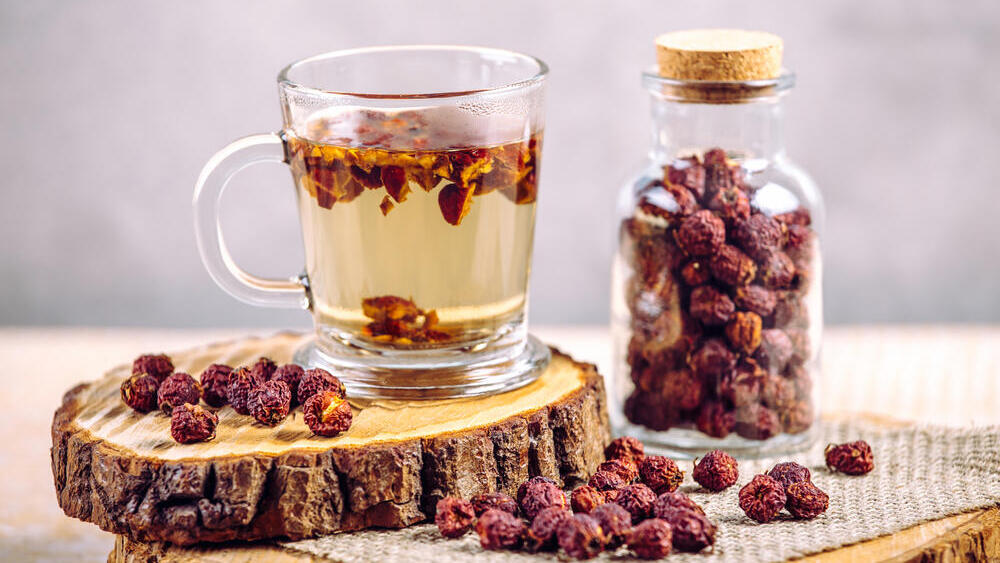
Delicate and powerful. Hawthorn flowers
(Photo: Shutterstock)
She notes it’s important to consult a doctor before using hawthorn if you’re on heart or blood pressure medication.
Emotionally, it helps with anxiety, insomnia, emotional overload and even heartbreak. “I like to give it after breakups or loss,” says Kadosh. “It calms the heart, both physically and emotional
link